

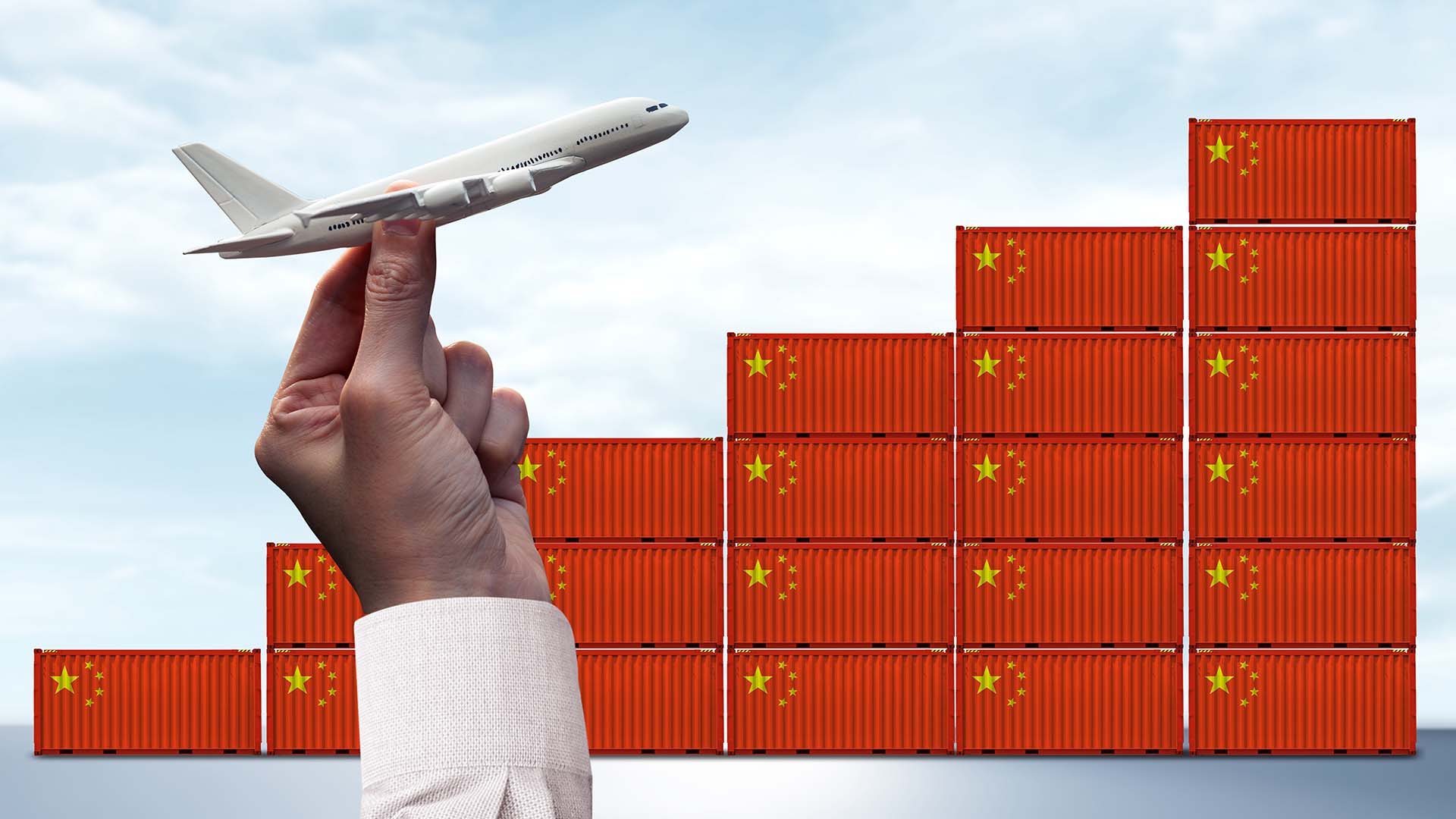
The Old Way – Expensive and Cumbersome: Not long ago, a Nigerian entrepreneur who wanted to stock their shop with affordable Chinese goods often had to literally go to China. This involved costly travel and lots of uncertainty. In fact, research shows about one-third of Lagos traders import from China, and over a third of those trips are done in-person – flying to Guangzhou, Yiwu, or other commercial hubsasiaglobalonline.hku.hk. The reason? Many traders felt they had to travel to ensure they get the exact products and quality they want, and to scout new trendy items firsthandasiaglobalonline.hku.hk. However, these trips are time-consuming and expensive. On average, securing a Chinese visa could take 11 weeks and cost ~$1,382, and a round-trip flight another ~$1,200asiaglobalonline.hku.hk. Add accommodation, local transport, and the opportunity cost of time away from the business, and it’s clear this traditional procurement method was viable only for those with enough capital. Traders also faced hurdles like language barriers and payment difficulties – e.g. some had to carry cash or use informal agents to convert naira to yuan, risking counterfeit currency in the processasiaglobalonline.hku.hk. In short, small businesses were at a disadvantage, lacking the resources of large importers to navigate international sourcing.
Enter the E-Commerce Intermediary: Today, services like Adamobi – a Lagos-based online store with strong ties to Chinese merchants – have revolutionized this process. These procurement intermediaries act as a bridge, handling the hard parts of importing so local businesses can focus on selling. Here’s how platforms like Adamobi simplify and streamline China sourcing:
- Product Sourcing Made Easy: Instead of wandering huge markets in Guangzhou, Nigerian buyers can browse catalogs online or send inquiries through the platform. Adamobi, for example, maintains a network of vetted Chinese suppliers and lists their products (ranging from fashion and electronics to spare parts) on its site. This gives entrepreneurs access to thousands of items at their fingertips, often with details, photos, and specifications in English. The platform’s ties to merchants mean even if a desired item isn’t listed, they can source it on request, finding reliable manufacturers for you. This vastly expands a small business’s product options without the need for costly exploration trips.
- Verification and Quality Assurance: One of the biggest values of an intermediary is that they ensure you get what you pay for. Quality issues are a known risk in international trade – e.g. ordering “100% cotton” shirts that arrive in poor polyester, or gadgets that fail quickly. Intermediaries tackle this by vetting suppliers (checking certifications, past performance) and performing pre-shipment inspectionsblog.checkitprocure.com. Before goods leave China, Adamobi’s agents (or partnered inspection companies) will check that the products meet the agreed specifications and quality standards. Defective or incorrect items can be caught and resolved on the spot. This saves Nigerian buyers from nasty surprises and the nightmare of trying to return goods overseas. Essentially, the platform provides an extra layer of quality control that an individual importer would struggle to do remotely.
- Consolidation and Logistics Handling: A huge advantage is logistics support. Instead of each small business arranging its own shipping (and paying high rates for small volumes), the intermediary consolidates orders. For example, Adamobi might combine orders from multiple Nigerian buyers into one large container or batch, achieving better freight rates due to volume (economies of scale). They handle all shipping arrangements – whether it’s booking sea freight or air cargo – and provide tracking. The Nigerian buyer can often just pay a single fee that covers shipping to their door. This door-to-door service means you don’t have to become a shipping expert; the platform deals with freight forwarders, customs clearance, and trucking locally. By simplifying logistics, intermediaries cut costs and transit times for buyers. (A newbie importer really “doesn’t have to travel to China to procure and ship goods – trusted intermediaries can do it end-to-end”dfhfreight.com.)
- Customs Clearance and Compliance: Import procedures in Nigeria (like filing a Form M, SONCAP for standards, and dealing with Customs) can be daunting. E-commerce intermediaries usually take on these tasks. They prepare the required paperwork, ensure duties and VAT are properly assessed and paid, and work with clearing agents at Nigerian ports. This expert handling of red tape prevents delays or extra charges for the client. For instance, if there’s a specific permit needed (NAFDAC for certain products, etc.), the platform guides the buyer and helps obtain it. Small businesses benefit from this know-how, avoiding costly mistakes that could occur if they navigated customs alone.
- Safe Payments and Lower Financial Risk: Intermediaries simplify the payment aspect by acting as a trusted middleman. Rather than a Nigerian business struggling to send money to an unknown supplier in China (and worrying about fraud or forex issues), they pay the local platform – often in naira. Adamobi would then handle converting to yuan or dollars and paying the supplier. This eliminates the risk of fraud, as the supplier only receives payment when the intermediary confirms goods are as ordered. It also avoids the awkward currency exchange methods (no more carrying cash or relying on informal agents) – the platform secures better exchange rates and has banking links for international trade. In many cases, the intermediary might even offer escrow protection: the Chinese merchant gets paid only after the Nigerian buyer receives the goods in good condition. Such arrangements build trust on both sides.
Eliminating the Need for Travel: With these services, Nigerian entrepreneurs can import right from their office or shop via a smartphone or computer. The need to physically go abroad is gone – saving potentially millions of naira in travel expenses and weeks of time. As one freight guide points out, you can manage procurement online nowadays and skip the trip to China by using reputable agents that many importers rely ondfhfreight.com. Beyond cost, this democratizes importation: even a small boutique owner can import 100 pieces of clothing by pooling with others, something unthinkable if one had to travel for such a small order. This levels the playing field between big importers and SMEs.
Real-World Example – How Adamobi Helps: Imagine a Lagos tech accessory shop that wants the latest trendy phone cases and earphones. Instead of flying to Guangzhou trade fairs, the owner contacts Adamobi. The platform shows a selection of phone case designs trending in China, helps the owner choose quality grades and even allows custom branding. The owner places an order for a few hundred pieces. Adamobi’s team in China gathers the items from different factories, inspects them for quality (ensuring, say, the power banks have the advertised battery capacity), and consolidates them. They ship the goods along with other clients’ cargo, so the shop owner pays perhaps one-tenth of what a solo shipment would cost. In a few weeks, the goods arrive in Lagos, cleared through customs by Adamobi’s agents. The shop owner didn’t have to worry about freight, paperwork, or product surprises – they get their stock delivered, ready to sell, having effectively outsourced the entire import headache. All along, they communicated in English with a local rep and tracked progress via an app.
Reducing Costs for Buyers: Not only does this process save travel costs, but it also often lowers the total cost per unit of goods. Intermediaries leverage bulk negotiations – they might have long-term relationships with manufacturers, securing better prices than a one-time buyer could. They also ensure you avoid rookie mistakes that lead to extra costs (like overpaying a scam supplier or incurring demurrage at the port due to documentation errors). By aggregating demand and expertise, platforms like Adamobi cut out many middlemen and inefficiencies. In effect, they pass the savings on to Nigerian businesses, who can then price their products more competitively.
Finally, these services often provide after-sales support – if something is wrong with the order, the intermediary helps mediate with the supplier to get replacements or refunds, a safety net individual importers seldom have. All these factors mean that e-commerce intermediaries have become indispensable partners for Nigerian SMEs doing importation. They turn what used to be a complex, risky venture into a streamlined transaction. The result is more Nigerian businesses can tap into China’s manufacturing might without massive overhead, fostering growth in sectors like fashion retail, electronics resale, and more. As a bonus, the entrepreneurs can focus on marketing and selling their goods, rather than logistics – truly a case of working smarter, not harder, in international trade.
Leave a Reply